- 979-485-9287
- office@bvallergy.com
-
 979-251-7804

Cold Weather and Asthma: Breathing Tips for the Changing Season

Allergy Testing Before the Holidays: Uncover Your Triggers
October 23, 2025
Immunotherapy for Allergies: Your Path to a Sneeze-Free 2026
January 7, 2026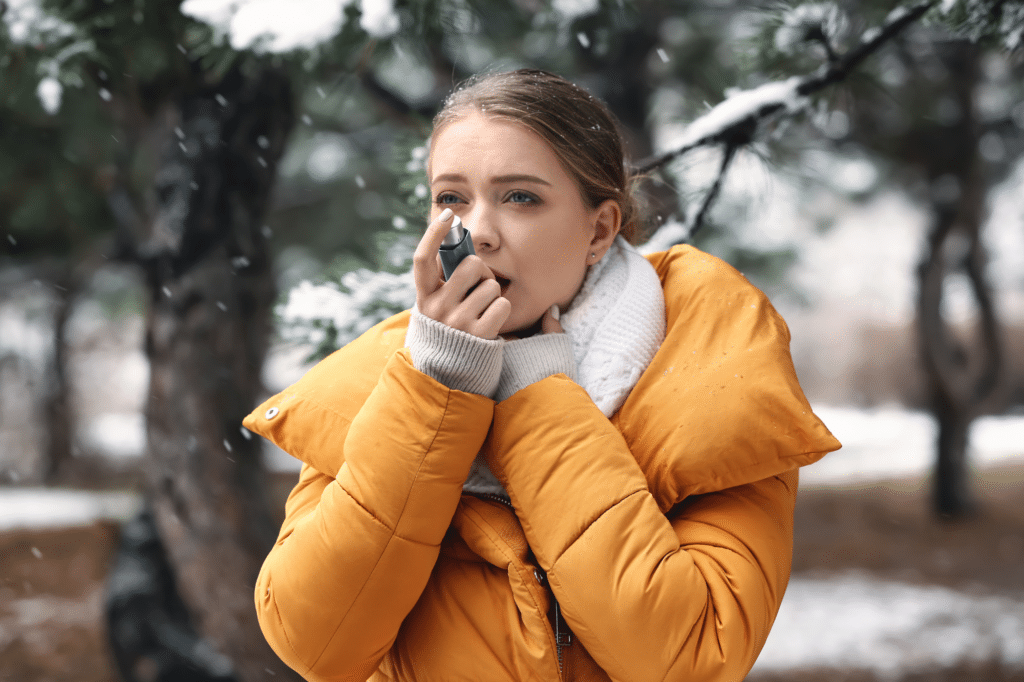
The first hint of winter is often a sharp breath of cold air, and many people with asthma dread it year after year. Cold, dry air can tighten airways and make each breath feel heavier, turning even quick errands or morning routines into unexpected challenges. It’s the upsetting reality of dealing with asthma in the winter season.
As temperatures drop, people with asthma experience more flare-ups, lingering coughs, or chest tightness. The mix of cold air, indoor allergens, and seasonal illnesses can make winter symptoms feel frustrating and unpredictable. If you’ve noticed your asthma acting up this time of year, you’re definitely not alone.
The good news is that you can stay comfortable and in control with the right support. With a solid plan and a few simple adjustments, winter doesn’t have to get in the way of your breathing. At Brazos Valley Allergy & Asthma Clinics, we’re here to guide you through the season with care and confidence.
Don’t Let Winter Take Your Breath Away
The Science Behind Cold-Induced Asthma Symptoms
Cold, dry air can make your airways tighten (a reaction called bronchoconstriction) and trigger inflammation, making your lungs more sensitive. These responses can turn simple winter activities, like walking outside or running errands, into a constant struggle for people with asthma.
Winter also brings some factors that can increase asthma flare-ups:
- Respiratory viruses like colds and flu spread more easily in colder months.
- Indoor allergens such as dust mites, pet dander, and mold accumulate as we spend more time inside.
- Sudden temperature changes from going in and out of warm buildings can irritate the lungs.
Some groups are especially sensitive to cold-weather asthma:
- Children, whose airways are smaller and more reactive.
- People with exercise-induced asthma, especially outdoors.
- Individuals with severe asthma, who may notice their symptoms worsen during seasonal changes.
Common Cold-Air Asthma Triggers
Understanding what triggers your asthma in winter can help you stay ahead of flare-ups. Here are the most common culprits:
- Cold, dry air: Chilly, dry air can irritate airways and cause coughing, wheezing, or shortness of breath.
- Outdoor winter exercise: Running or playing sports in the cold can trigger bronchospasms. Warming up and covering your nose and mouth helps.
- Viral infections: Colds, flu, and RSV inflame airways and can worsen asthma symptoms.
- Indoor allergens: Dust mites, pet dander, and mold build up indoors, especially in heated spaces, aggravating asthma.
- Wood-burning stoves, smoke, and strong scents: Fires, scented candles, and harsh cleaning products release particles that irritate sensitive airways.
By recognizing these triggers, you can adjust your habits and environment to keep asthma under control.
Practical Breathing Tips for Asthma Patients During Colder Months
With the right habits, you can keep your lungs comfortable and manage your asthma well all winter. Try these tips to stay comfortable and reduce flare-ups:
- Breathe through your nose: It warms and humidifies cold air before it reaches your lungs.
- Use a scarf or mask: Cover your nose and mouth to trap warmth and moisture outdoors.
- Pre-treat with medication: Take your inhaler before going out, as recommended by your doctor, especially before exercise.
- Warm up before activity: Light stretches or movement prepare your lungs for cold air.
- Stay hydrated: Water keeps airways moist and reduces irritation.
- Use a humidifier correctly: A humidifier adds moisture indoors, but keep it clean to prevent mold.
- Monitor peak flow and symptoms: Track changes when moving between warm and cold environments.
Incorporating these tips into your daily routine can help you navigate the challenges of asthma and cold air — without missing out on the activities you enjoy.
How to Prevent Asthma Flare-Ups in Winter
Preventing flare-ups is just as important as managing symptoms when they occur. With a few proactive steps, you can keep your asthma under control and have an easier time through the season.
Here are key strategies to help prevent winter asthma flare-ups:
- Keep indoor air clean: Use air purifiers, reduce dust, and avoid smoke or strong fumes indoors. These simple steps can minimize airway irritation.
- Stay consistent with controller medications: Taking your long-term asthma medications as prescribed keeps inflammation in check and reduces the risk of flare-ups.
- Get recommended vaccines: Flu shots and RSV vaccines for eligible groups can protect your lungs from infections that commonly trigger asthma.
- Reduce viral exposure: Wash your hands regularly, avoid close contact with sick individuals, and practice good hygiene to lower your risk of respiratory infections.
- Maintain an up-to-date asthma action plan: Review your plan with your healthcare provider each season. Knowing what steps to take when symptoms worsen can prevent emergencies.
By following these strategies, you’ll have a clear roadmap on how to prevent asthma attacks in winter, helping you stay comfortable, avoid flare-ups, and breathe easier all season long.
When to Seek Care for Worsening Asthma Symptoms
Even with careful planning, asthma symptoms in the winter can sometimes worsen. Recognizing warning signs early can prevent flare-ups from becoming severe.
Watch for these signs that your asthma may be getting out of control:
- Increased coughing, wheezing, or chest tightness that doesn’t improve with your usual medications
- Shortness of breath during normal activities or at rest
- Frequent nighttime symptoms that disrupt sleep
- Reduced peak flow readings compared to your usual numbers
Red flags that require immediate medical attention include:
- Severe shortness of breath or difficulty speaking in full sentences
- Bluish lips or fingernails
- Rapid worsening of symptoms despite using your rescue inhaler
- Asthma attack symptoms that don’t improve within minutes
Early intervention can prevent severe flare-ups. If you notice these signs or feel your asthma isn’t as well-controlled, contact your healthcare provider promptly.
At Brazos Valley Allergy & Asthma Clinics, our team offers personalized asthma management plans and expert support to help you breathe easier all year.
Stay Comfortable and Confident in Cold Weather

Cold weather doesn’t have to derail your asthma control. With awareness, simple precautions, and the right support, you can stay comfortable and breathe easier throughout the season. Following practical winter asthma tips, paying attention to triggers, and maintaining your medications can make a noticeable difference in your daily life.
At Brazos Valley Allergy & Asthma Clinics, we understand that every patient’s asthma journey is unique. Our team offers personalized care, guidance, and support so you can manage symptoms confidently and enjoy the season safely. Reach out today to create an asthma plan tailored to your situation, and take control of your breathing with a team that truly cares.
Plan Your Asthma Care Now
Connect with Our Asthma Specialists
Frequently Asked Questions
- Are there safe exercises for people with asthma in cold weather?
Yes. Low-intensity activities like walking, gentle yoga, or indoor workouts can reduce the risk of exercise-induced bronchospasms. If you plan to exercise outdoors, warm up properly and wear a scarf or mask.
- Can using a humidifier too much worsen asthma symptoms?
It can. Excess humidity may encourage mold growth, dust mites, or bacteria, which can trigger asthma. Keep the humidity level between 30–50% and clean the device regularly.
- Why do children with asthma seem more affected by cold weather than adults?
Children’s airways are smaller and more reactive, making them more sensitive to cold air, indoor allergens, and sudden temperature changes. Extra precautions, such as wearing scarves and proper warm-ups before activity, are essential.
- How can I tell if my winter asthma symptoms are just mild irritation or a flare-up?
Track your symptoms and peak flow readings. Increased coughing, wheezing, shortness of breath, or nighttime symptoms that disrupt sleep may signal an approaching flare-up. Early intervention is key.